
Pompholyx Dermatitis
Overview
Pompholyx dermatitis is an inflammatory skin irritation that affects the hands (cheiro pompholyx) and sometimes the feet (pedo pompholyx). It affects both men and women, but seems to occur more often in those under the age of 40. Although it is also commonly referred to as dyshidrotic dermatitis (or dyshydrosis), meaning "abnormal sweating," it has not been found to relate to dysfunction of the sweat glands. Outbreaks of this type of dermatitis can be instigated by seasonal changes, with an increase in outbreaks reported in spring and autumn.
Symptoms & causes of pompholyx dermatitis
Pompholyx dermatitis most often occurs along the sides of fingers and palms of hands; less frequently outbreaks occur on the soles of feet. The beginning, acute stage of the rash is characterized by the development of tiny fluid-filled blisters, or vesicles, deep within the skin layers. These blisters are extremely itchy and are oftentimes accompanied by a burning sensation. The next stage of the rash, if the outbreak is mild, is accompanied by peeling and scaling of the skin as it heals.
In the case of a more severe outbreak, the blisters enlarge and may open and develop into lesions. Intense itching can invoke scratching, causing the blisters to open, leaving the skin more vulnerable to infection and thickening, both of which prolong the healing period. As the skin does start to heal, it will appear dry and cracked, and some crusting may occur. Severe reoccurring pompholyx dermatitis may cause irregular ridges to develop in the nail beds (nail dystrophy), as well as swelling of the nail fold (chronic paronychia).
As with most types of dermatitis, the exact cause of pompholyx dermatitis has yet to be determined. Outbreaks are correlated with ingestion of allergens, exposure to topical allergens in jewelry, cosmetics and cleaning fluids, as well as genetic influences. It seems to be more common in patients who likewise suffer from asthmatic bronchitis, allergic rhinitis, or atopic dermatitis. Some of the more common allergens linked to pompholyx are:
- Nickel
- Neomycin
- Quinoline
- Chromate
Factors that can irritate the condition include:
- Excessive sweating
- Smoking
- High levels of stress
- Detergents and solvents
- Frequent bathing
- Cosmetics
Diagnosis and medical treatment of pompholyx
A diagnosis of pompholyx dermatitis is usually made by examination of the rash's location and appearance. Diagnostic testing is done only to rule out other types of skin irritation, infection or diseases. These tests may include a biopsy or skin scraping.
There is no specific cure for pompholyx dermatitis; therefore, the condition is chronic, but it is also controllable. In most cases medical intervention is not required and, if itching is not severe, the condition will generally resolve itself in one to three weeks.
If the condition worsens and the itching becomes severe, then medical intervention may be needed. In this case a regimen of steroidal creams is recommended to be applied nightly for approximately a two-week period, unless otherwise directed by your doctor. In the rare case that the skin does not respond to the topical steroids, then oral or injectable may be prescribed.
If the blisters associated with pompholyx become large enough, they may require incision and drainage. In this case it is necessary that they be drained using sterile technique under the care of a qualified healthcare provider. A small puncture will be made to the blister, leaving the overlying skin intact to guard against infection.
Infection of the rash and blisters is always a risk when open sores develop. If infection does occur, a regimen of oral antibiotics may be prescribed. In addition, over-the-counter oral antihistamines may be recommended, to help control the itching and limit the scratching. The less frequently the blisters are scratched the less likely they are to open and become infected.
Herbal treatments for pompholyx dermatitis
Herbal treatments can be used to help relieve the burning, itching, and inflammation associated with the blistering of pompholyx dermatitis. Ointments, salves, and poultices made from the following herbs have antiseptic and anti-inflammatory properties, which may help relieve irritation. These preparations can be applied topically to the affected area to reduce itching and inflammation:
- Calendula (Calendula officinalis)
- German chamomile (Matricaria chamomilla or M. recutita)
- Stinging nettles (Urticaria dioica)
- Burdock root (Arctium lappa)
- Aloe vera gel
- Common plantain leaves (Plantago major)
Other natural products can be used as ingredients in pastes or compresses to help to relieve the itching and burning associated with pompholyx dermatitis.
- Green clay and goldenseal root in equal parts
- Equal parts salt, water, clay, and peppermint oil
- Calamine lotion
- Coal tar lotions, shampoos, and bath oils
- Aluminum acetate dissolved in water, also known as Burow's solution, has astringent and antibacterial properties that can help to dry out oozing blisters and lesions
- In the case of excessive sweating irritating the condition, 20% aluminum chloride can be used.
Pyrithione zinc treatment
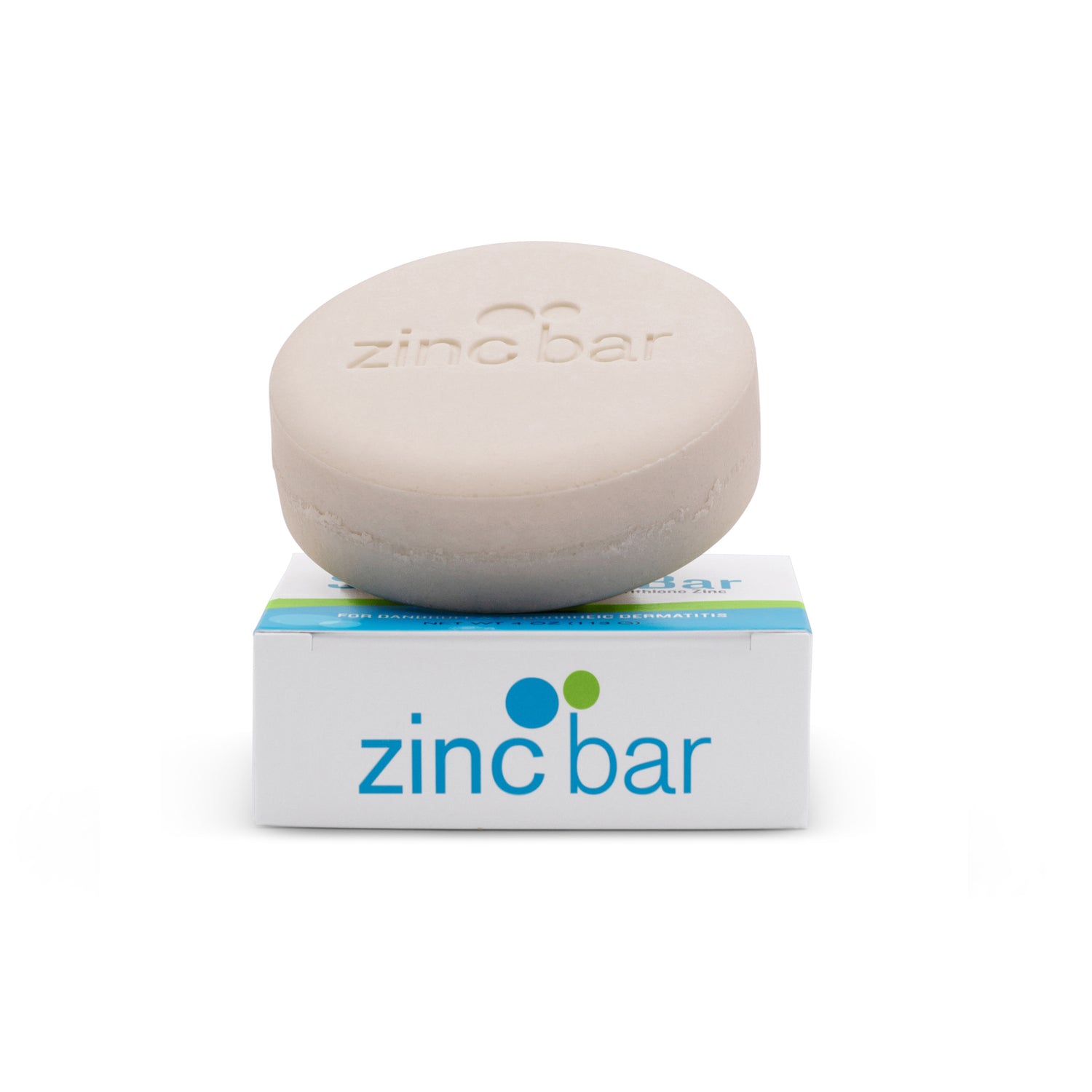
Pyrithione zinc has been recognized for centuries for its unique healing properties. Included in those healing properties is alleviation of itching and burning associated with dermatitis.
Pyrithione zinc also has antifungal and antibacterial properties, which may help reduce skin inflammation associated with dermatitis. Unfortunately, pyrithione zinc is not approved in the USA for antifungal health claims (outside of dandruff and sebborheic dermatitis). Topical zinc pyrithione is generally recognized as a safe and effective treatment for reduction in the symptoms associated with dermatitis.